Baile Nan Gàidheal

I apologize to my Scottish Gaelic speakers for mangling the spelling of the above heading, but I’m not sure how to find Gaelic letters on my phone.

Anyway, today we visited a Scottish living history museum. The Scots were the first Europeans to settle in Cape Breton. They were pushed out of their native Highlands by the British, who imposed high rents and took over their land for sheep farming.

The Scots brought their Gaelic language and culture to Cape Breton, and it has thrived here ever since.
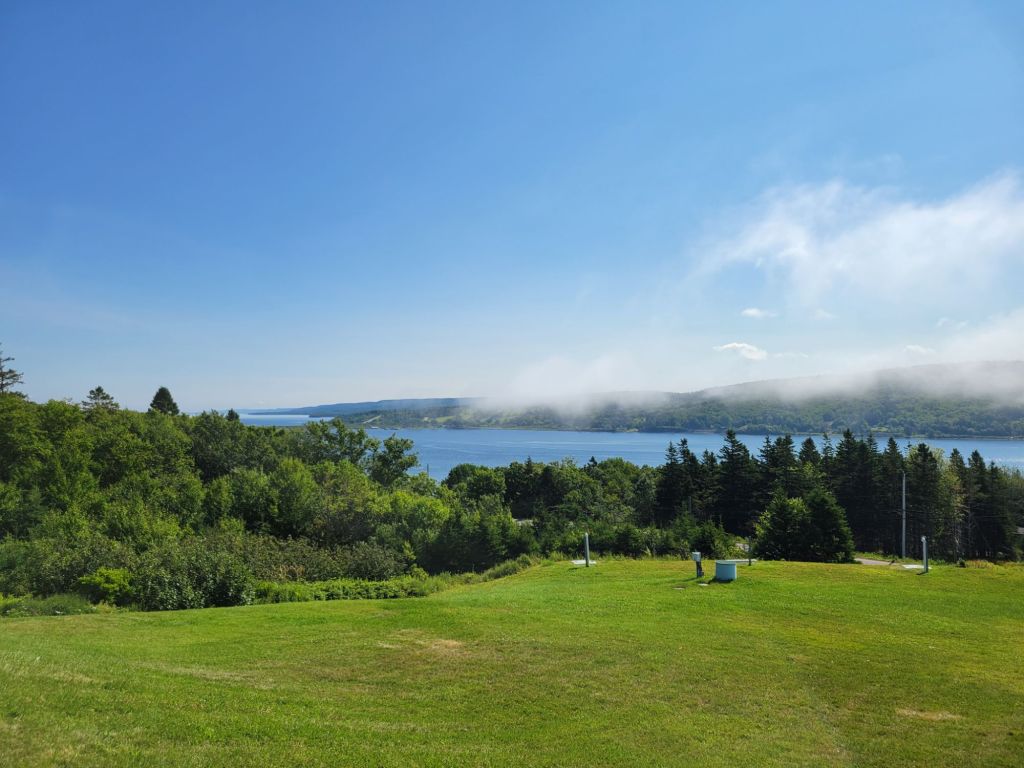
The living history museum sits high on a hill overlooking Bra D’Or Lake.
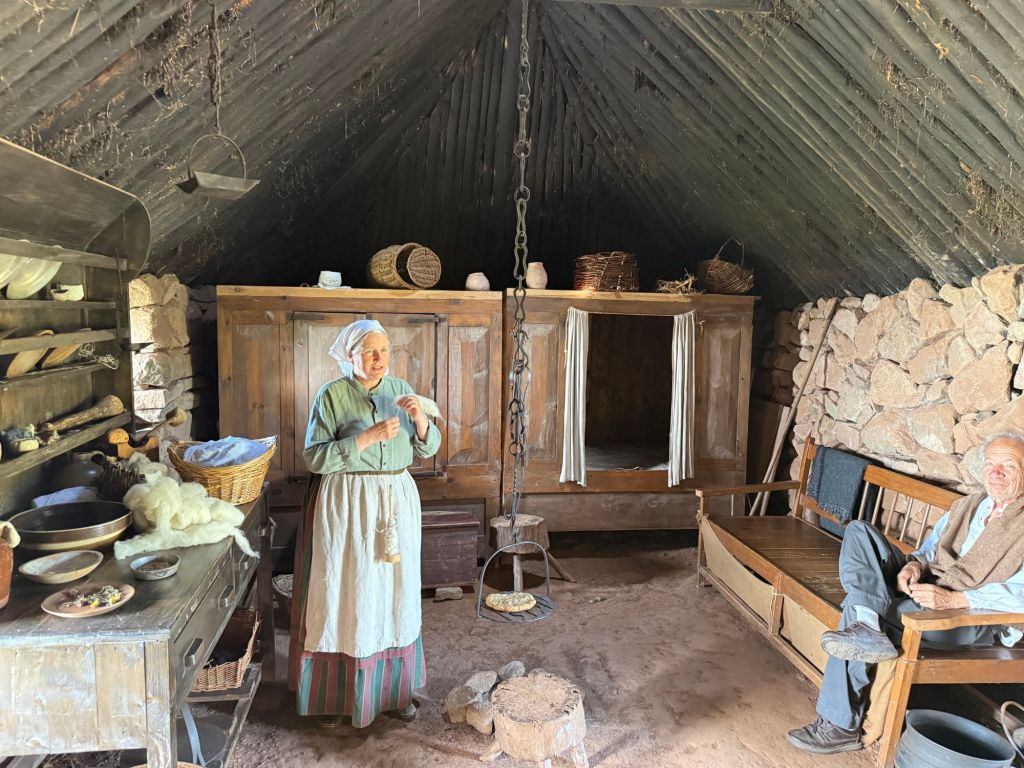
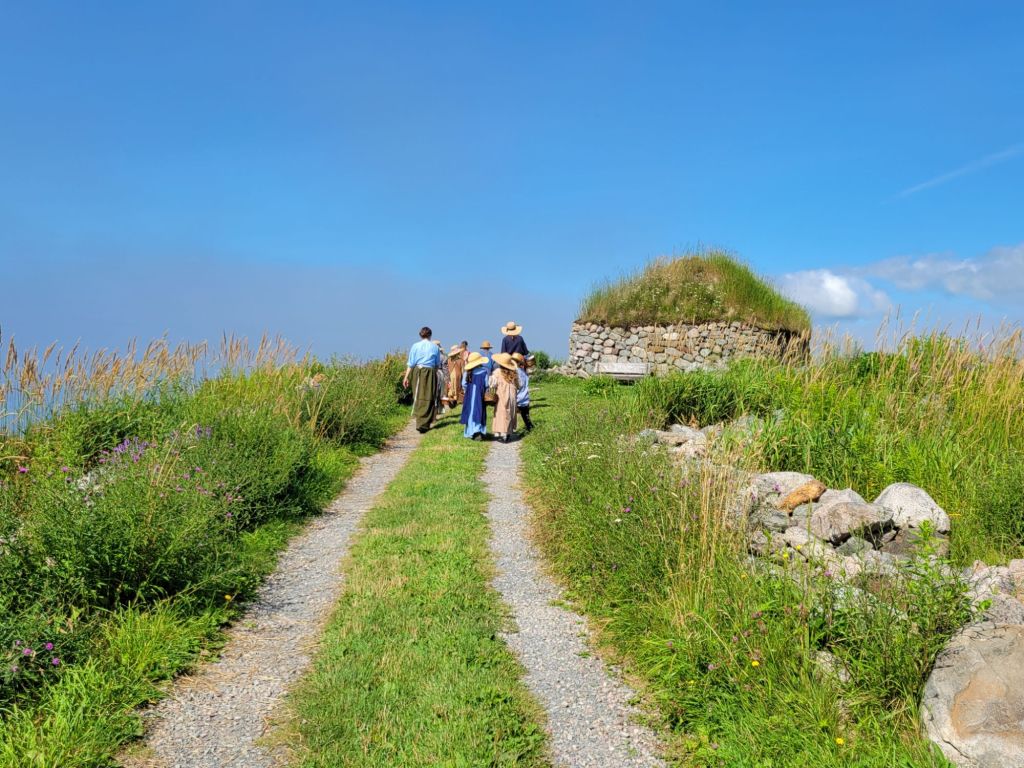
The building with the grassy roof represents the kind of home that the Scottish would have lived in in Scotland in the late 1700s. As you can see, there were also folks dressed up in period costumes.
The interior of the stone house above.
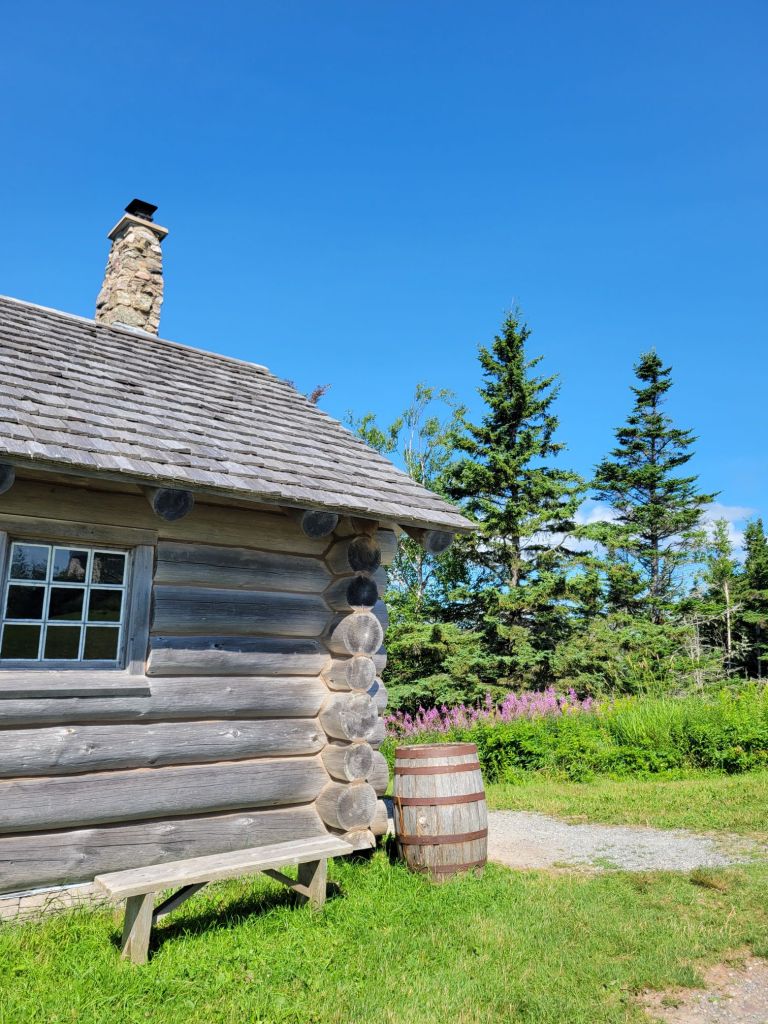
The log cabin was the first type of house that the Scots built after arriving on Cape Breton. They were primarily farmers, growing many of the same crops that they had grown in Scotland, such as potatoes.
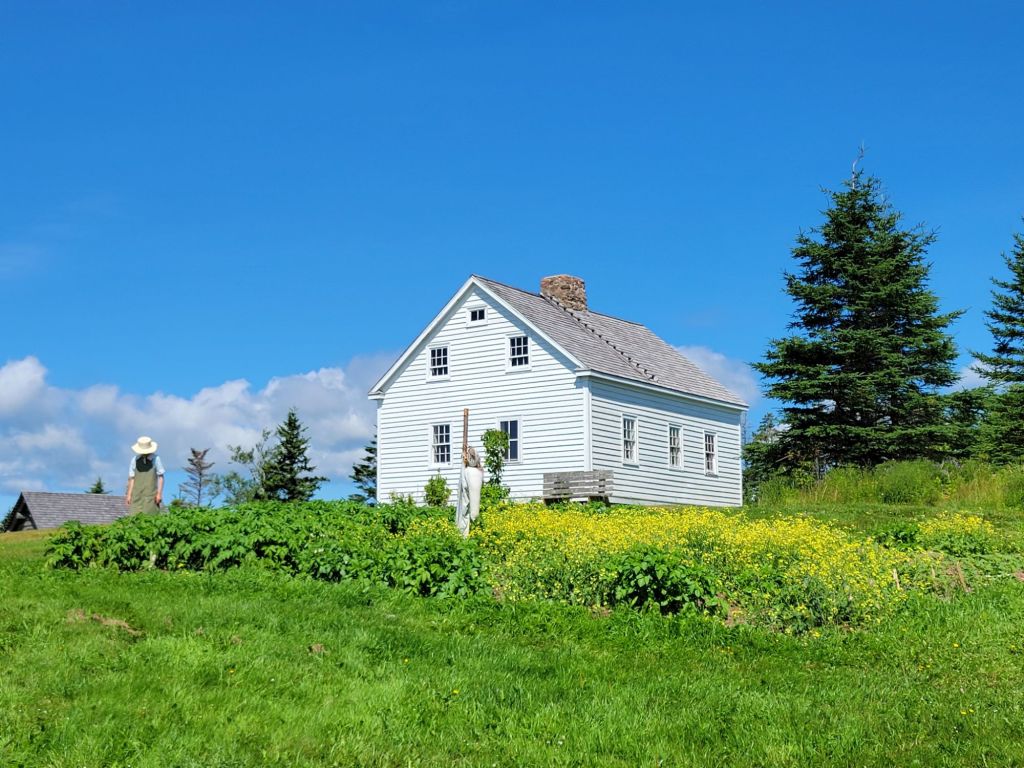
As time went on, they were able to build a more substantial home.
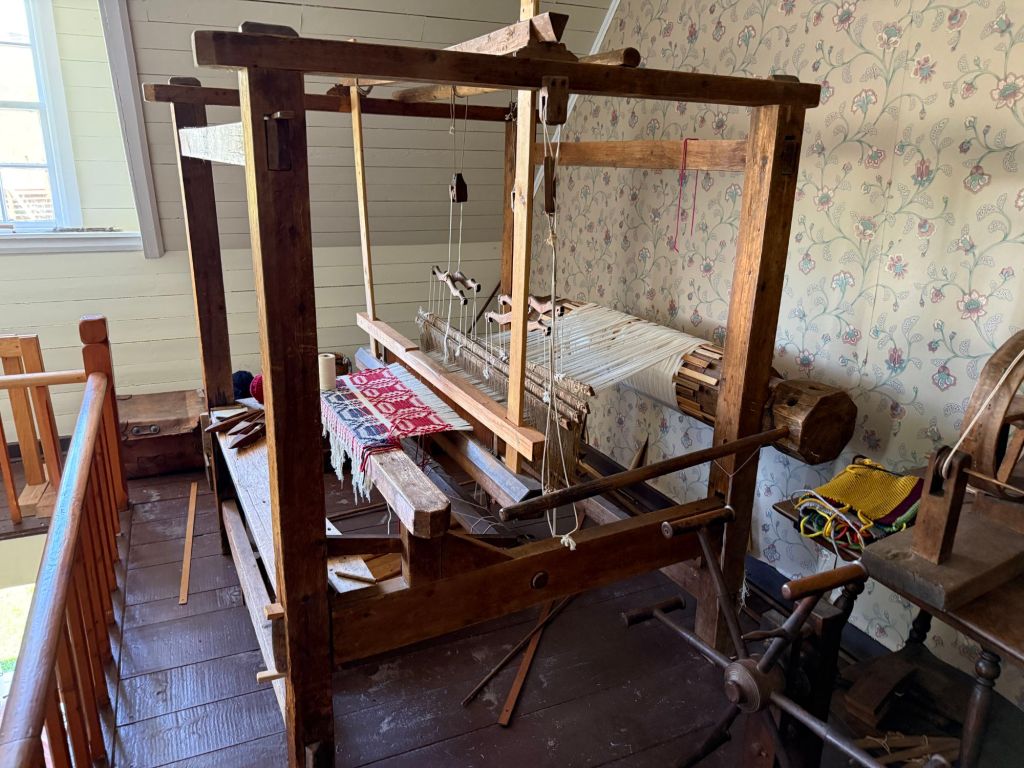
It seems like every house had a loom on the second floor for weaving. Even the men helped when it came time to soften the wool. They soaked it in urine, sat at a table, and sang Gaelic songs while pounding the wool cloth rhythmically on the table.
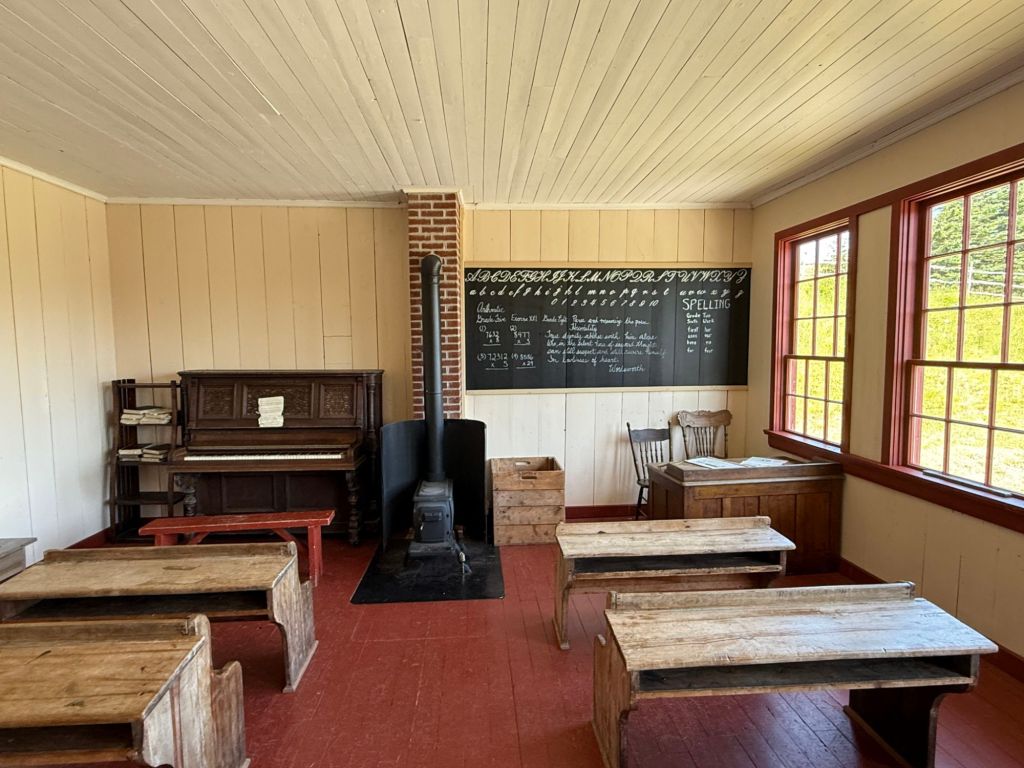
The school house. This must have been after the government required them to teach English in the schools. Speaking Gaelic was frowned upon by then.
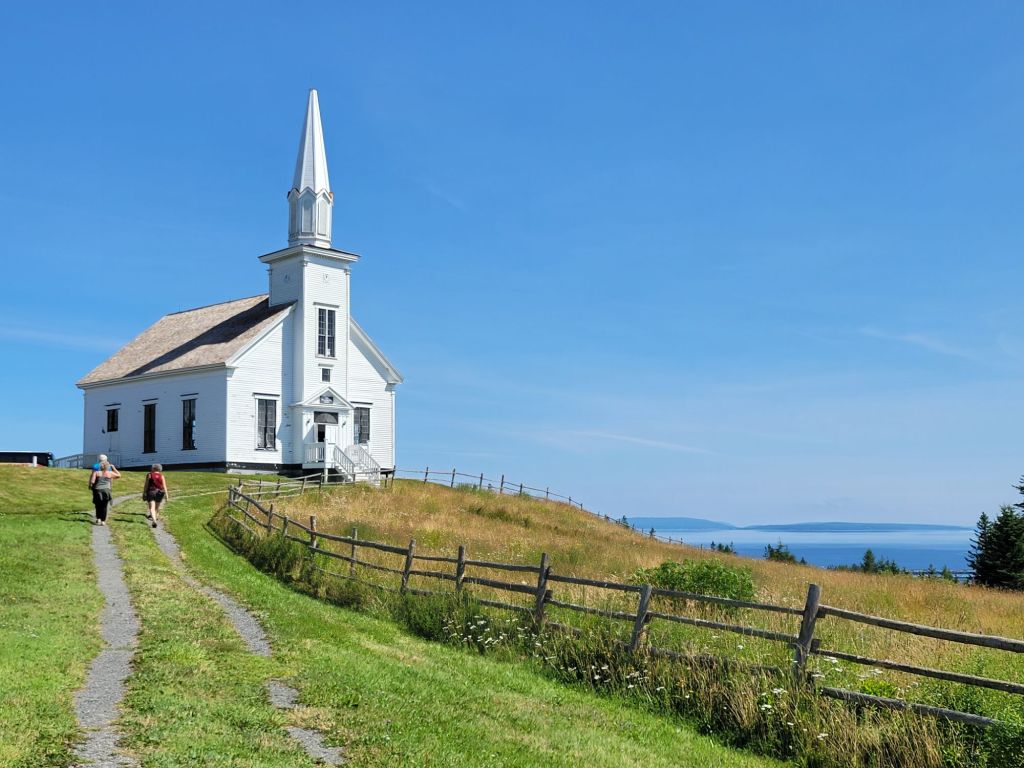
Malagawatch Church, built in 1874. Most of the Scots were either Catholic or Presbyterian. This was a Presbyterian church.
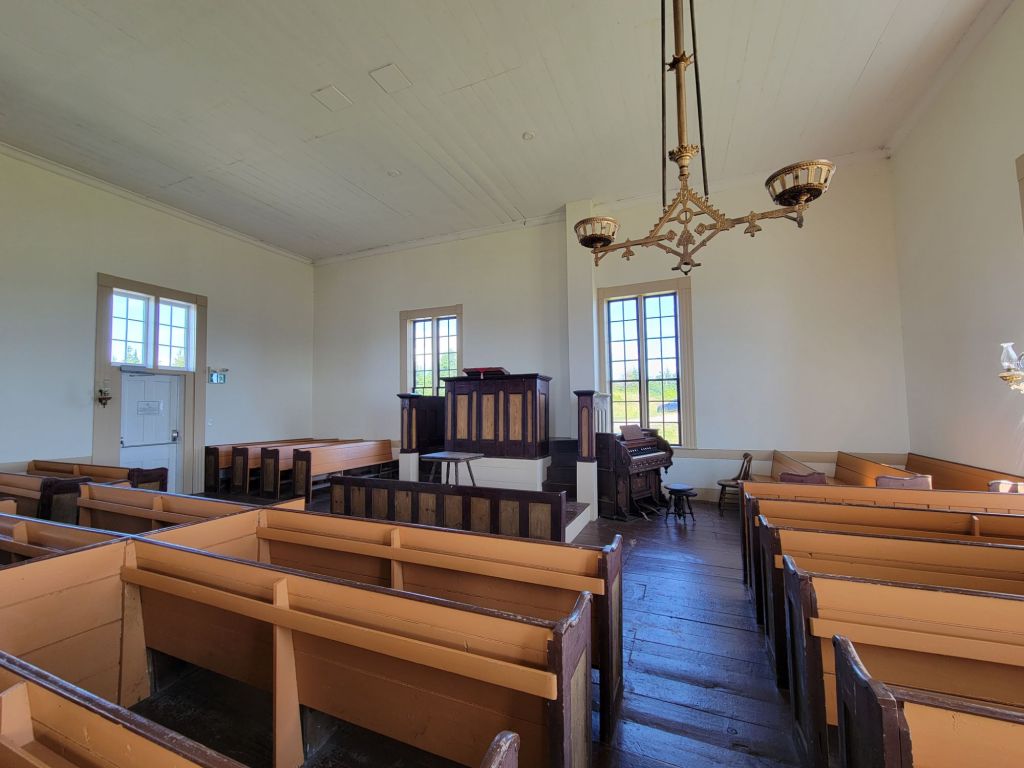
The interior of the church
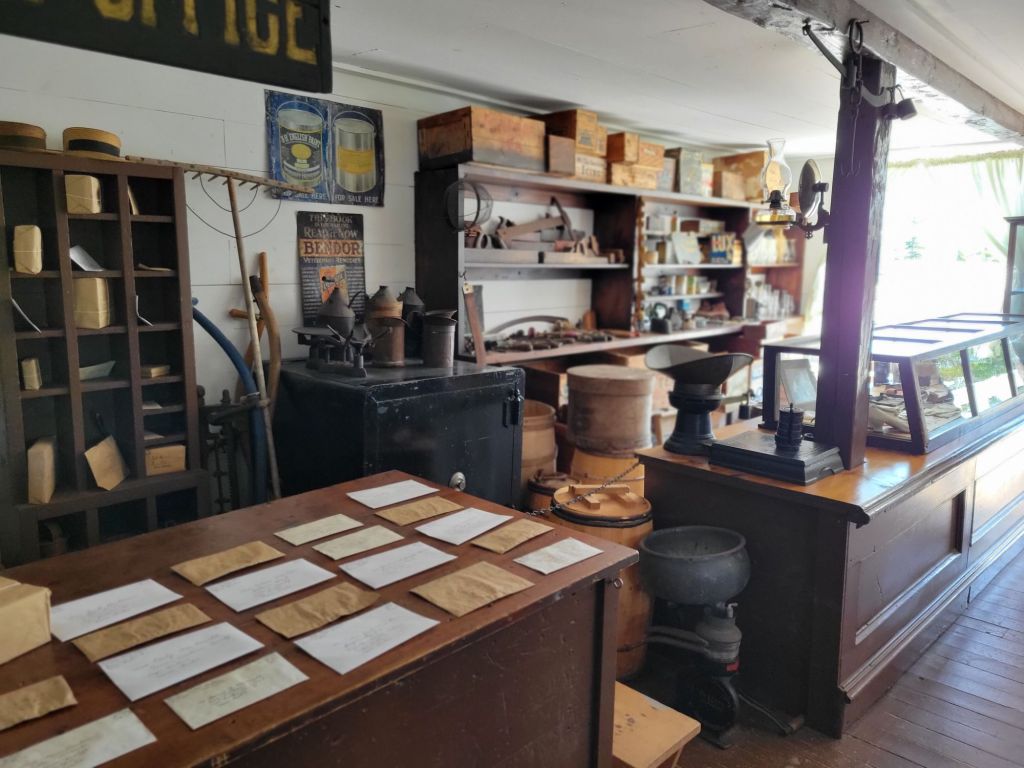
The general store and post office
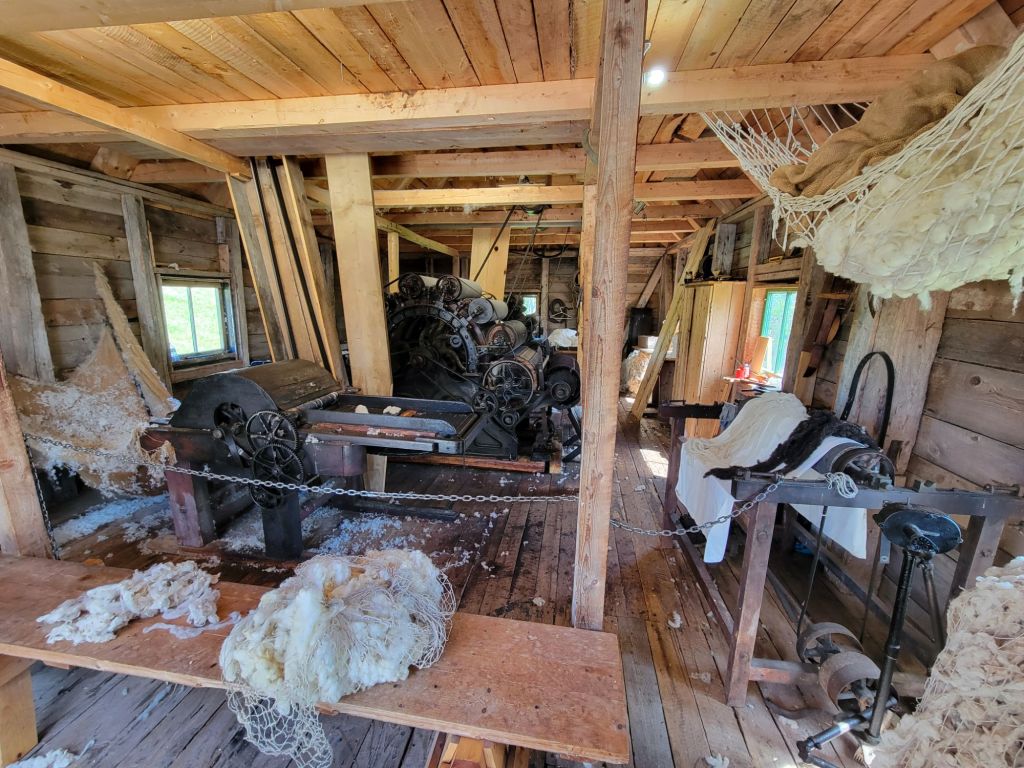
Here is where they did the wool carding.

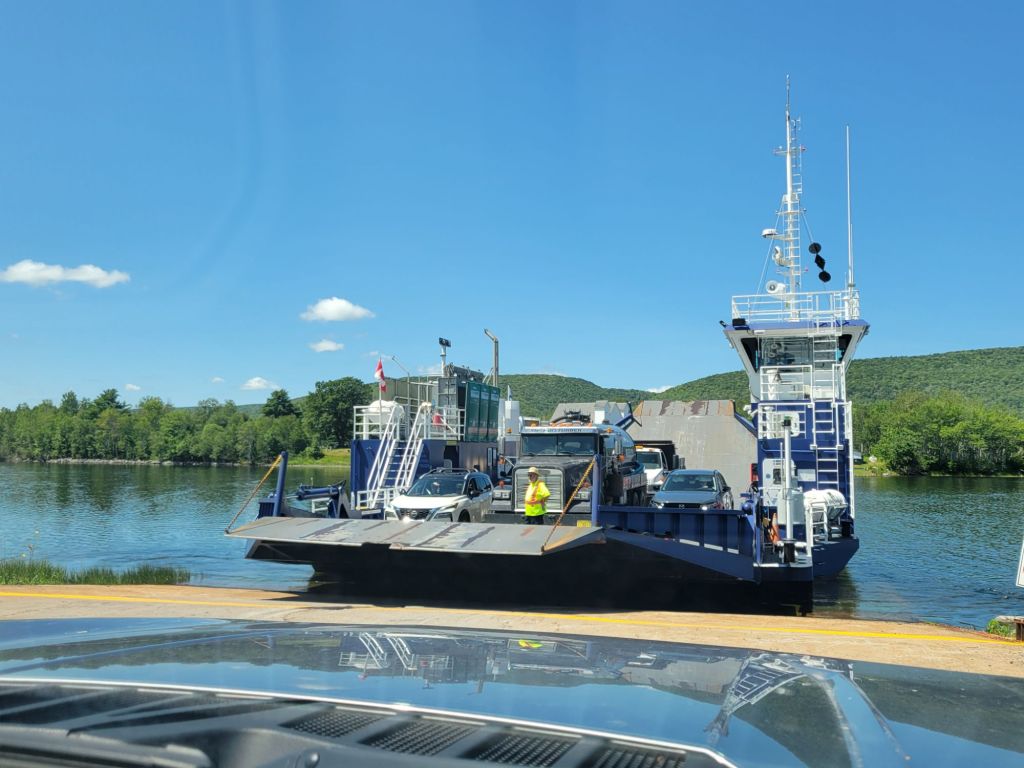
The ferry…again!

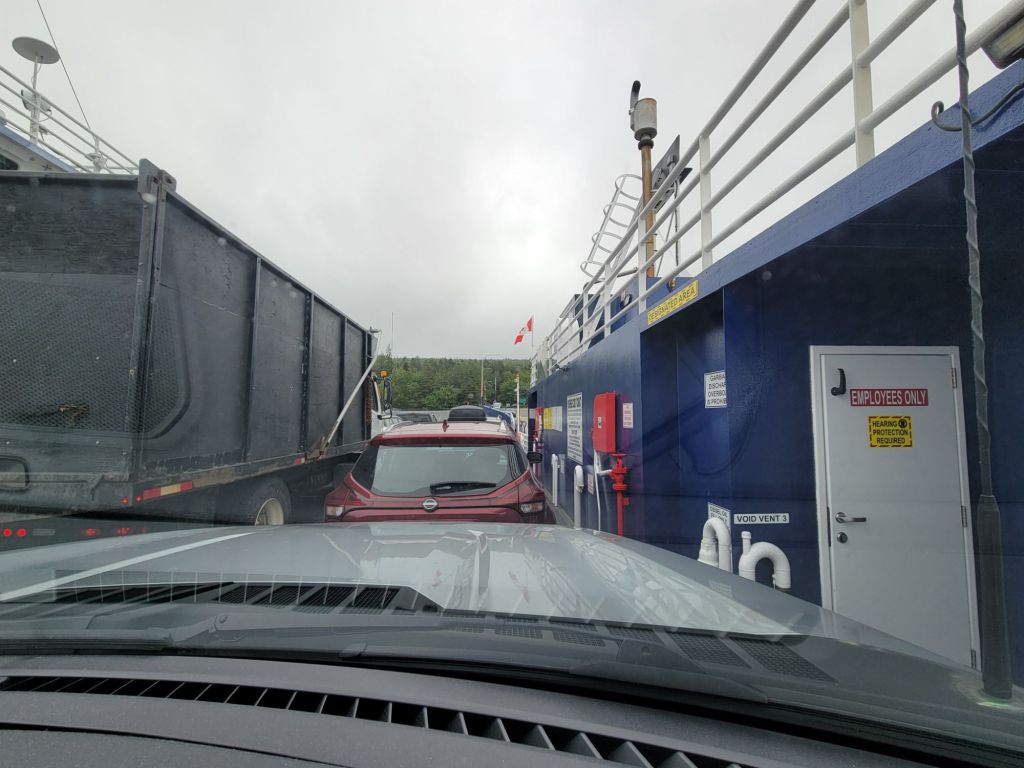
We took another ferry back to the Cabot Trail. This time we were first in line.
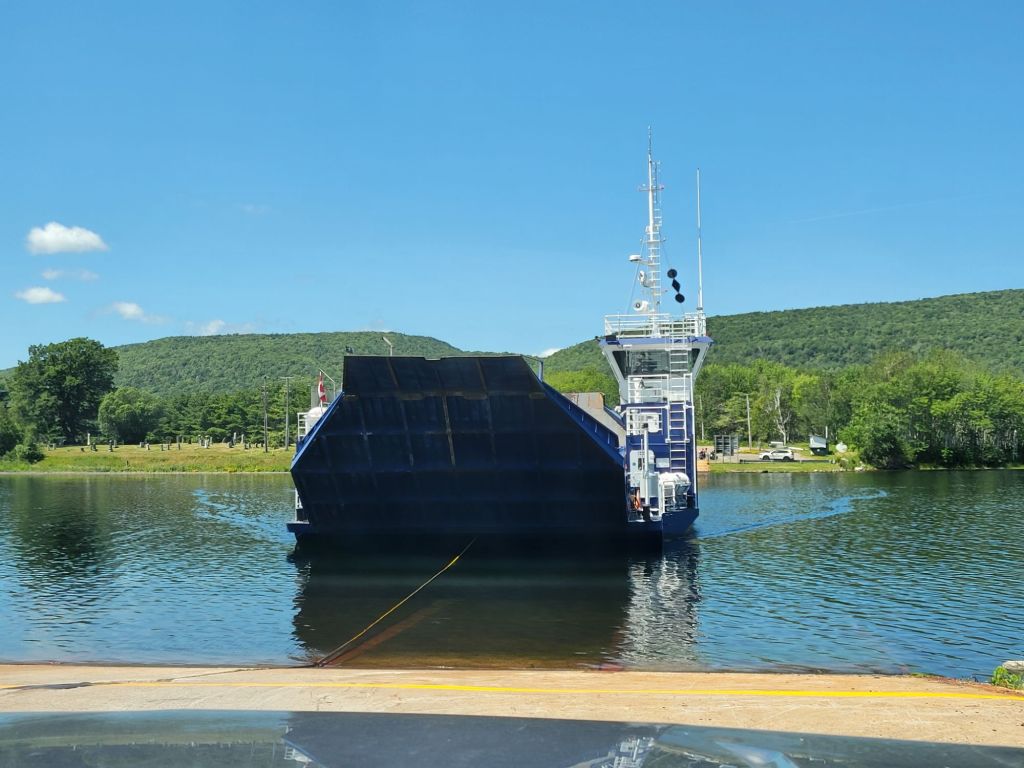
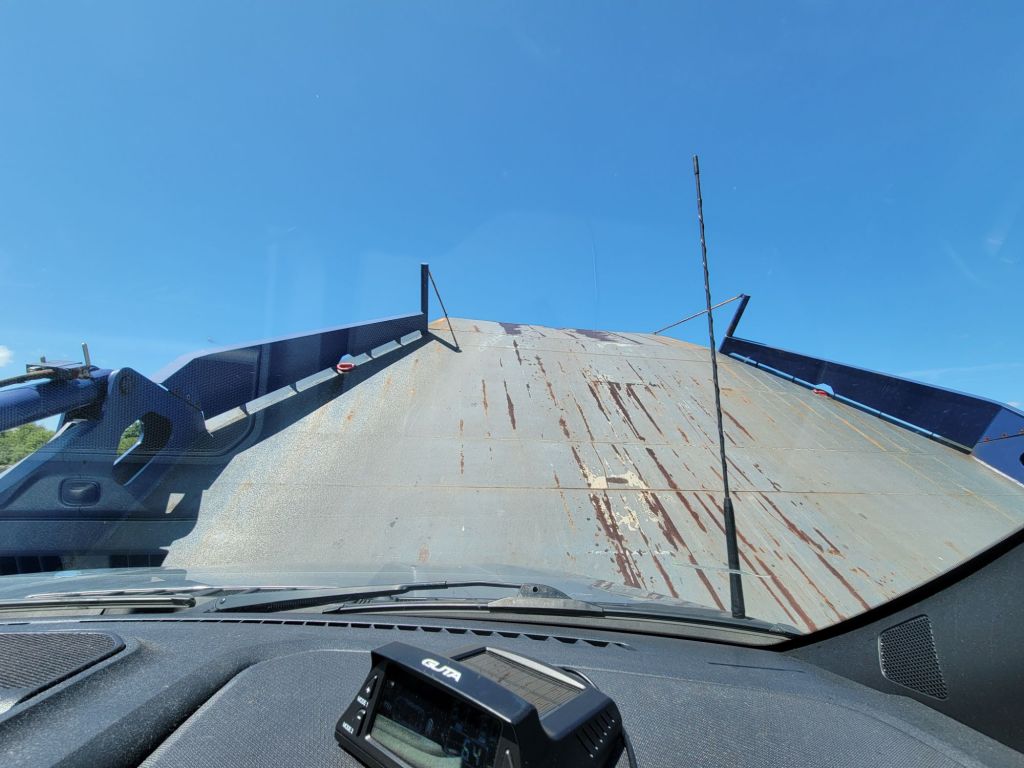
Neither of us had noticed the guide rope the first time we had done this.
Our view while on the ferry crossing to the other side

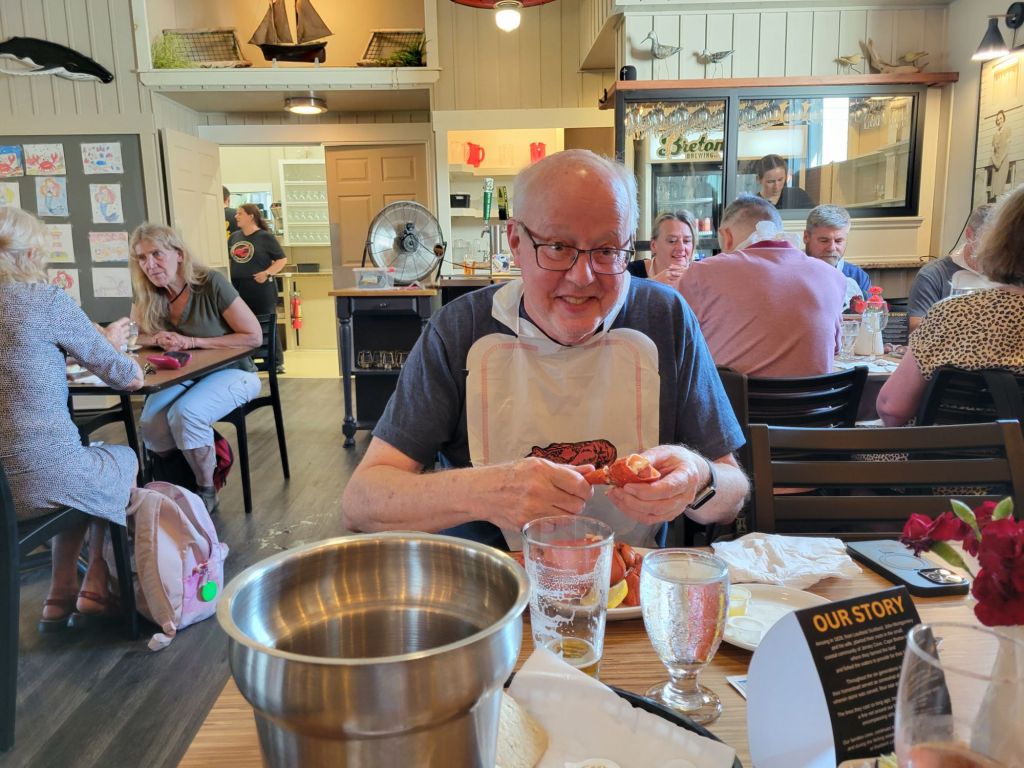
Lobster!

After arriving back at the camper, we both took showers. The power had been out when we woke up in the morning, including the water. Greg had to go out and buy coffee for breakfast. Apparently, someone down the road had run into a pole.

After getting cleaned up, we headed off for a much anticipated lobster dinner.
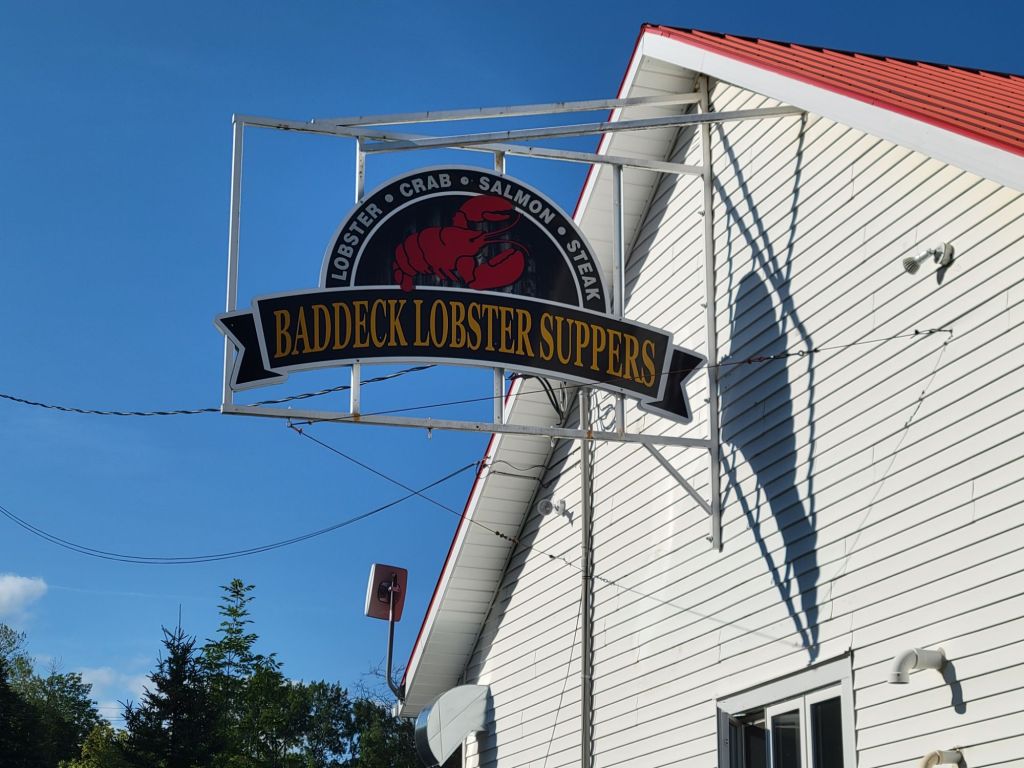
Seriously, you can never have too much lobster.
This lobster dinner reminded me so much of my father when he used to cook lobsters for us at the Jersey Shore. They were so tender and tasted so good with melted butter.

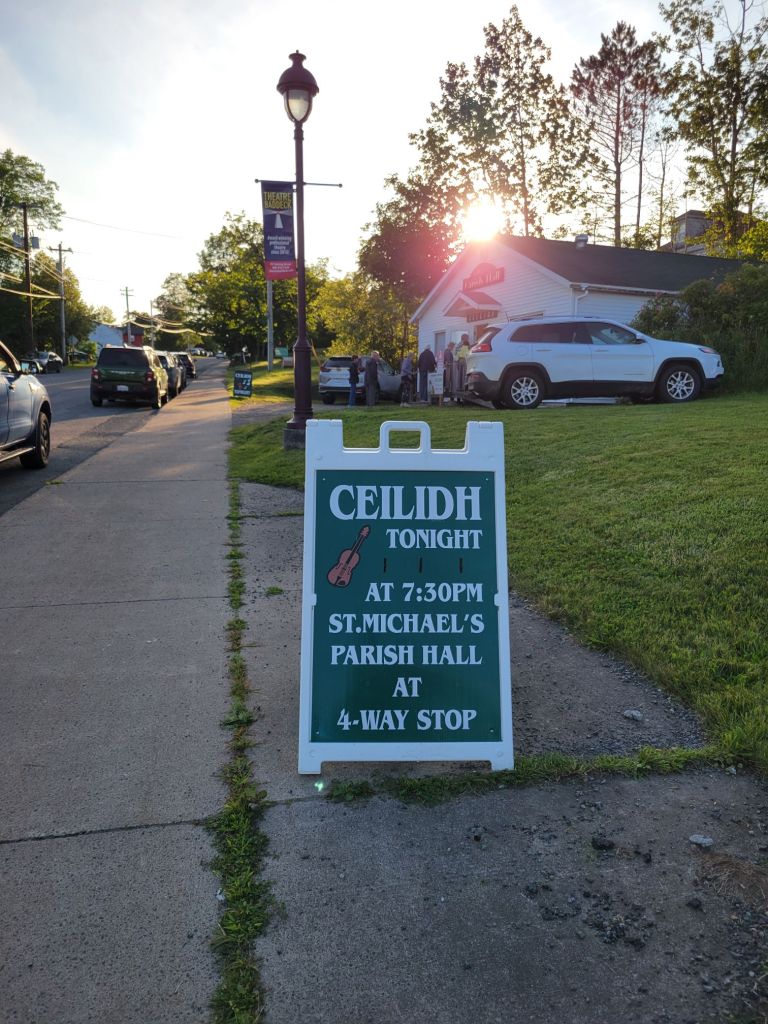
Ceilidh

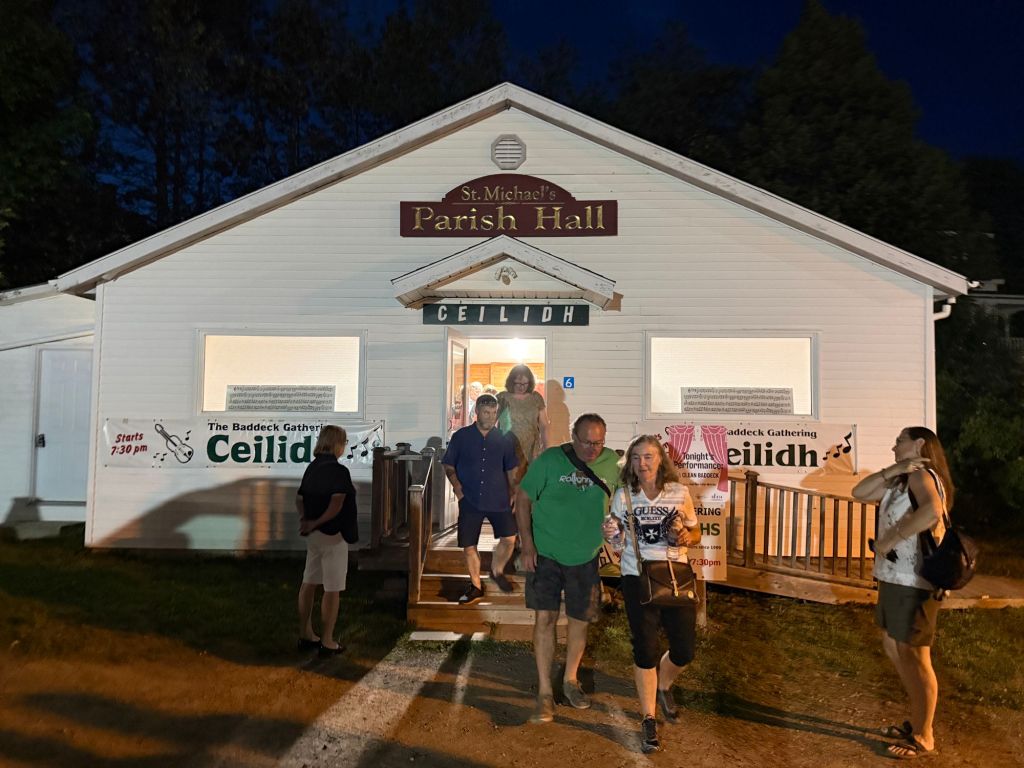
Apparently, no visit to Cape Breton would be complete without an old-fashioned Scottish ceilidh (pronounced kay-lee).

A ceilidh is an informal social gathering where people dance, sing, and tell stories. Although there was no dancing at the ceilidh that we attended, there was plenty of lively music and storytelling.
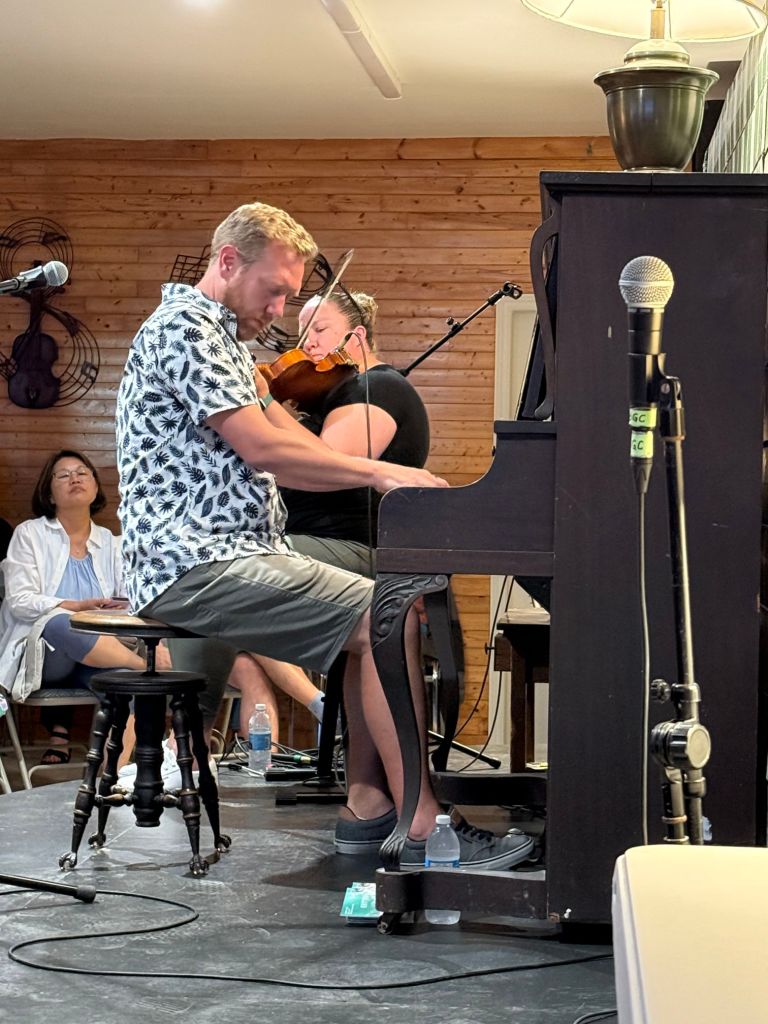
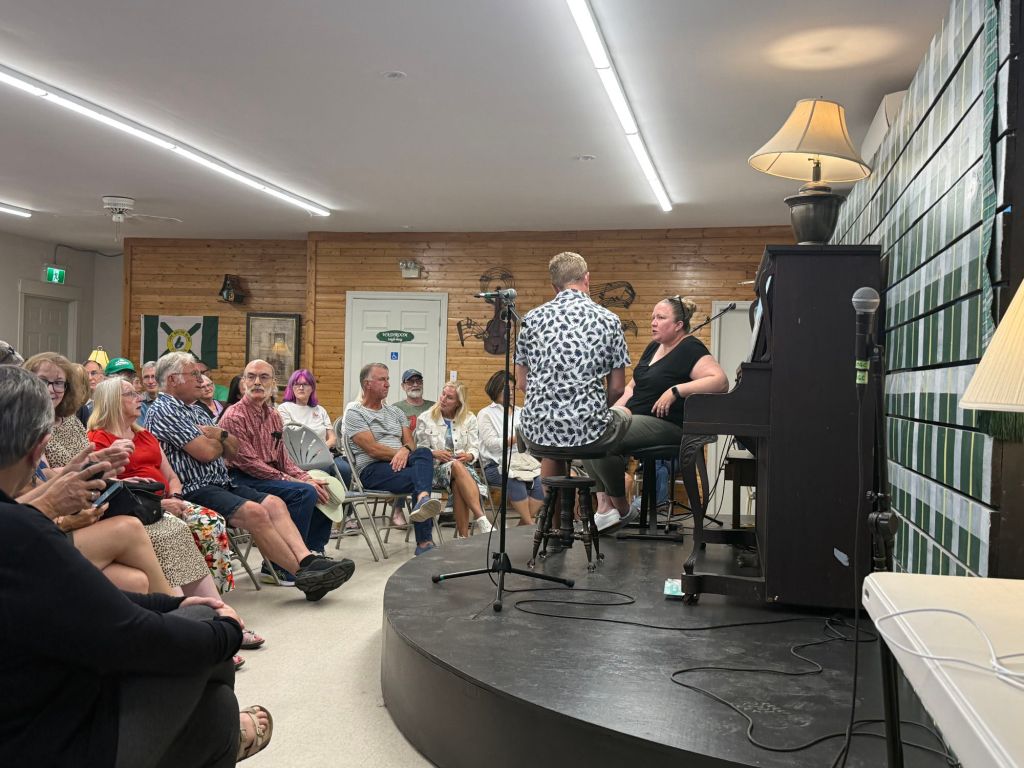
Then it was back to the camper for a much-needed rest.
Baddeck, Cape Breton

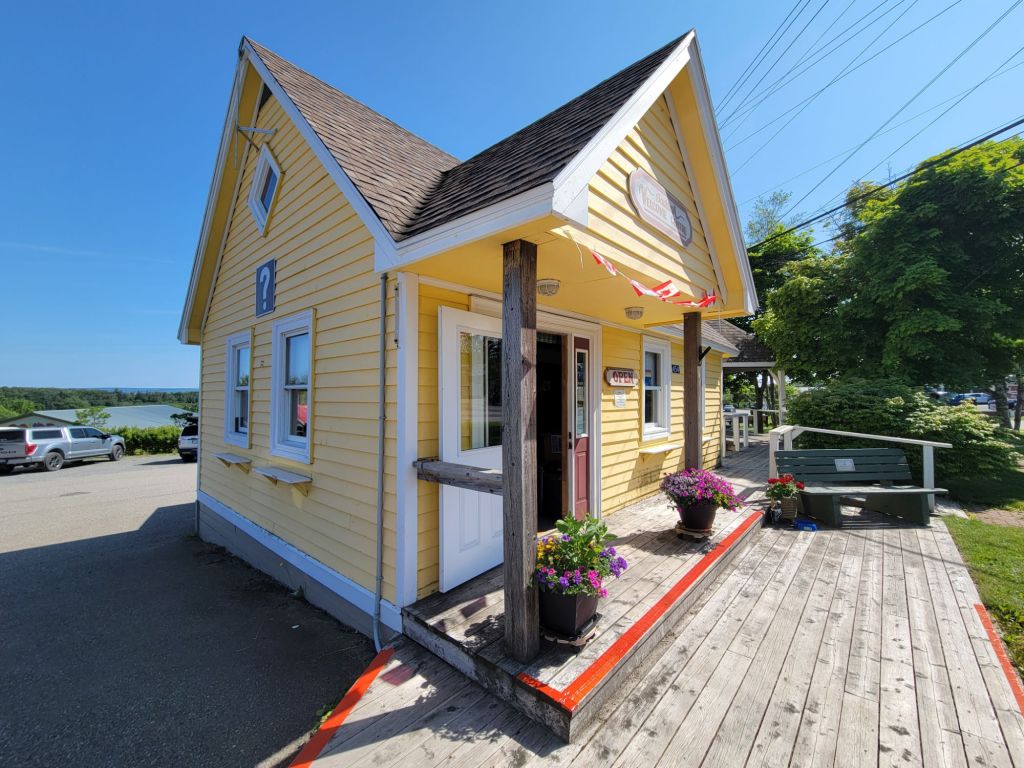
Our next stop was Baddeck (emphasis on the second syllable), Cape Breton. After setting up the camper in a nice, out of the way and shady site, we headed to the visitor center to see what there was to do in Baddeck.

The visitor’s center

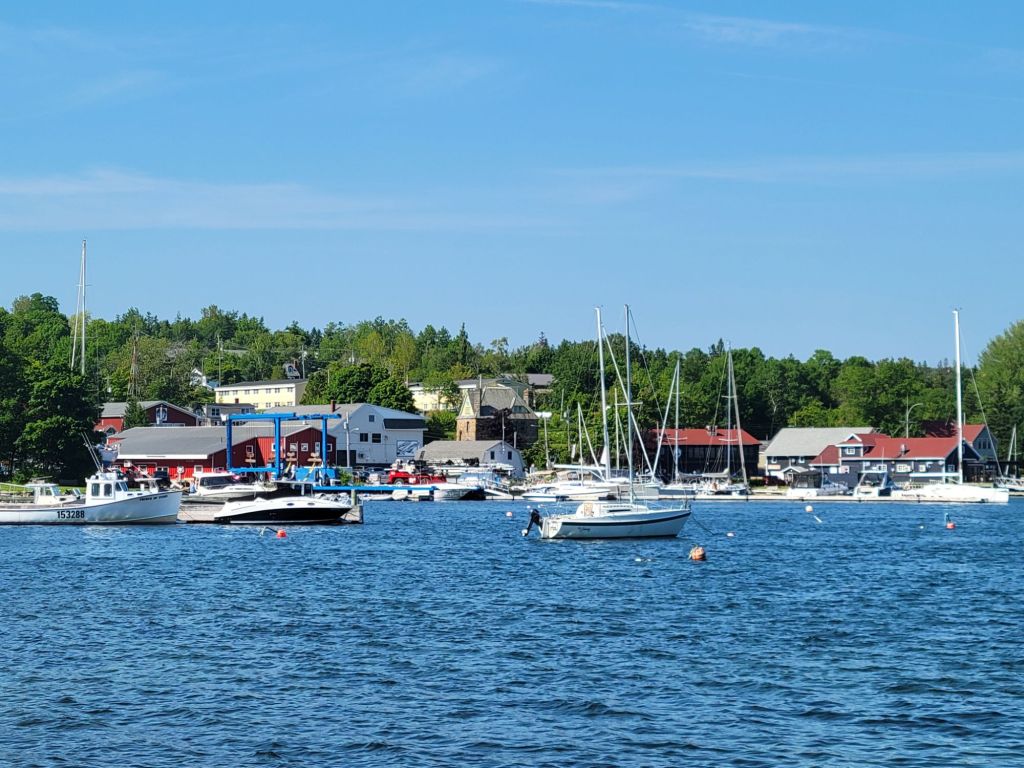
Afterward, we drove down to the harbor, struggled to find a parking spot, finally succeeded, and walked along the very pretty boardwalk.

There were a couple of these metal sculptures scattered throughout the wharf area. I thought they were charming.

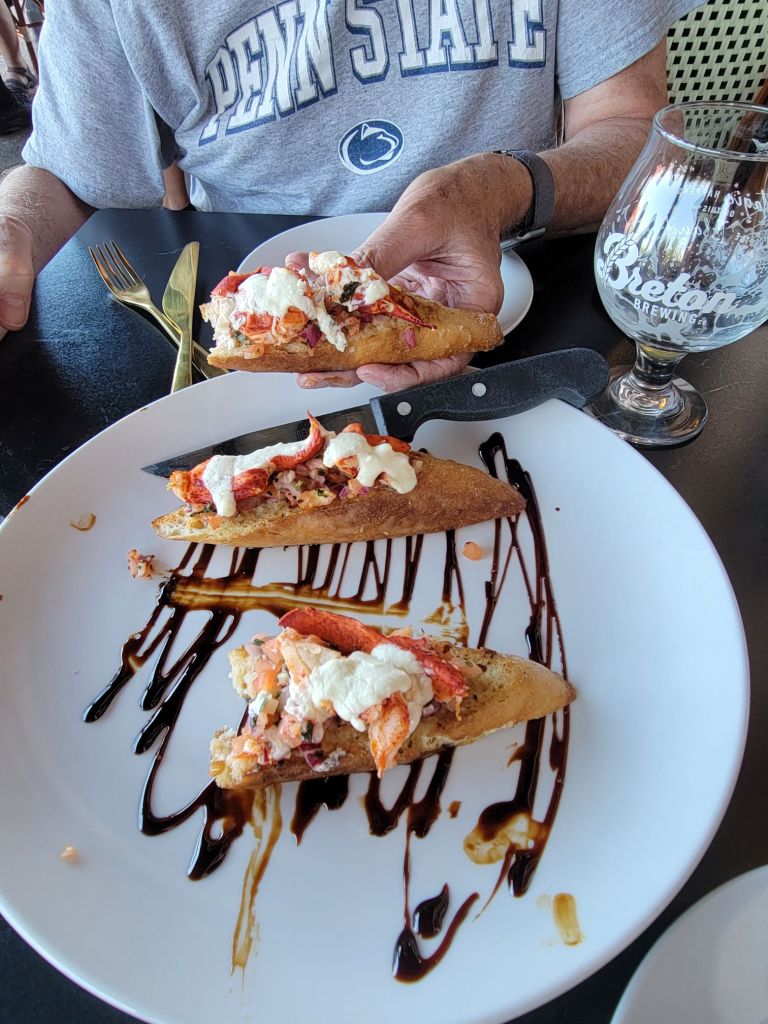
Greg was interested in getting a drink at the restaurant on the wharf. I talked him into having an appetizer to go with it. Our choice was lobster bruschetta, and it was delicious! I have also discovered my favorite cocktail, which is an aperol spritzer.

I immediately dug in, and only then thought to take a photo.

Cabot Trail

The next morning, we attempted to drive the Cabot Trail, which is a very famous scenic drive in Cape Breton. The weather was cloudy when we woke up, but as we got into the higher elevations, a fine mist made visibility difficult.

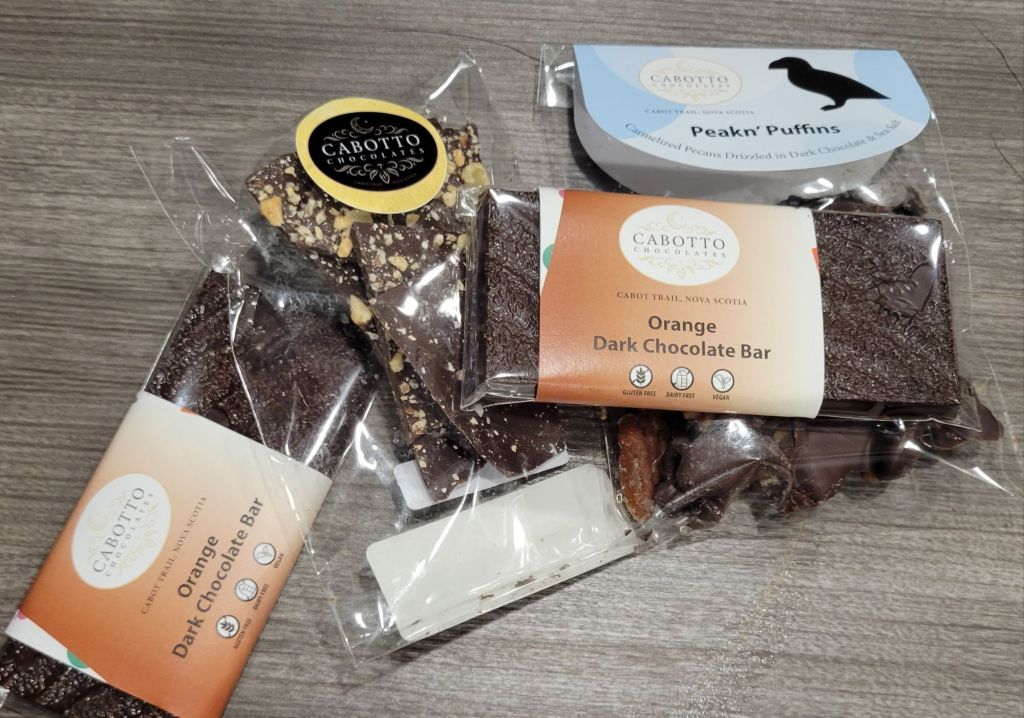
Greg decided it might be best to turn around and try the trail another day. But first, we stopped at a local chocolate shop to ask for information and, of course, to buy some chocolate.

I only thought to take the picture after we had already consumed some of the chocolate.

The ferry

Greg decided to take the ferry to get back to Baddeck. I don’t think I’ve ever been on a ferry this small.

It took all of 5 minutes to get across the water on the ferry.

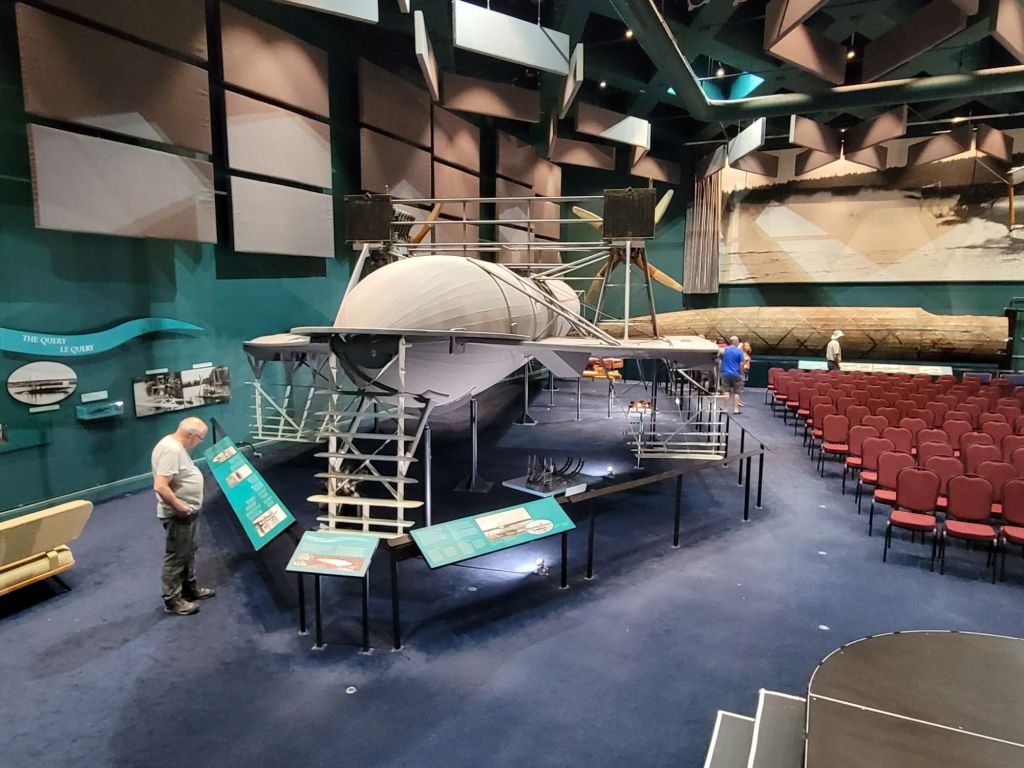
The Alexander Graham Bell Museum

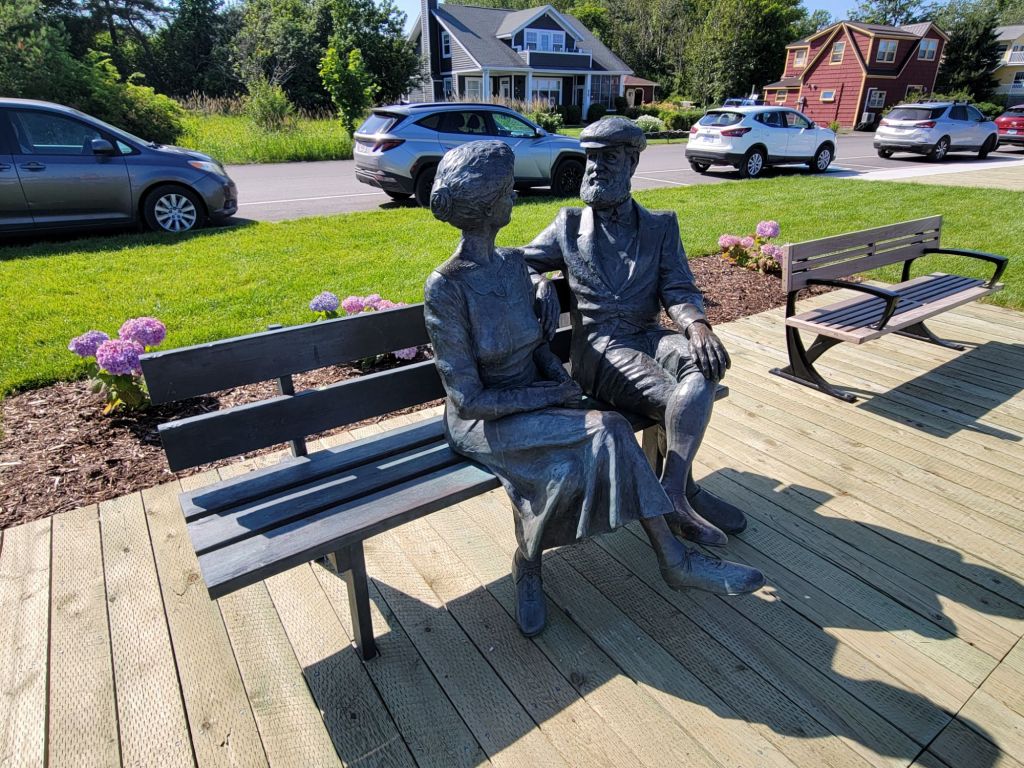
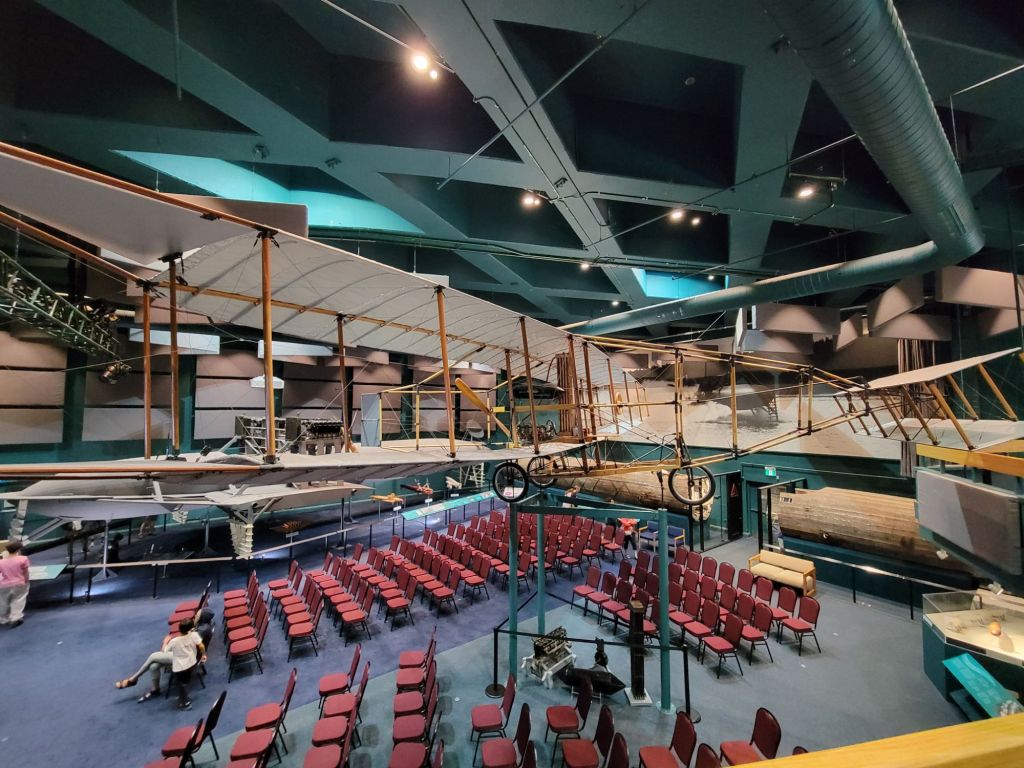
Since the weather was still lousy, we stopped at the Alexander Graham Bell Museum for a visit. Did you know that Alexander Graham Bell made his home in Baddeck, Nova Scotia, for many years?

Holy cow, Alexander Graham Bell was a busy guy! His early career involved teaching speech to deaf students. One of his students later became his wife, Mabel. He also taught Helen Keller and started a school for the deaf.

Teaching the deaf was not his only passion, however. As we know, he invented the telephone. He was also interested in the study of longevity, breeding sheep so that they always gave birth to twins, inventing a very fast boat using hydrofoils, experimenting with tetrahedrons, and making airplanes. In fact, he and his team won the American Scientific award for the first powered flight to travel 1 km.

Despite the iffy weather, I think we made the most of our day.